The Minnesota Asphalt Driveway Maintenance Calendar: A Month‑by‑Month Guide
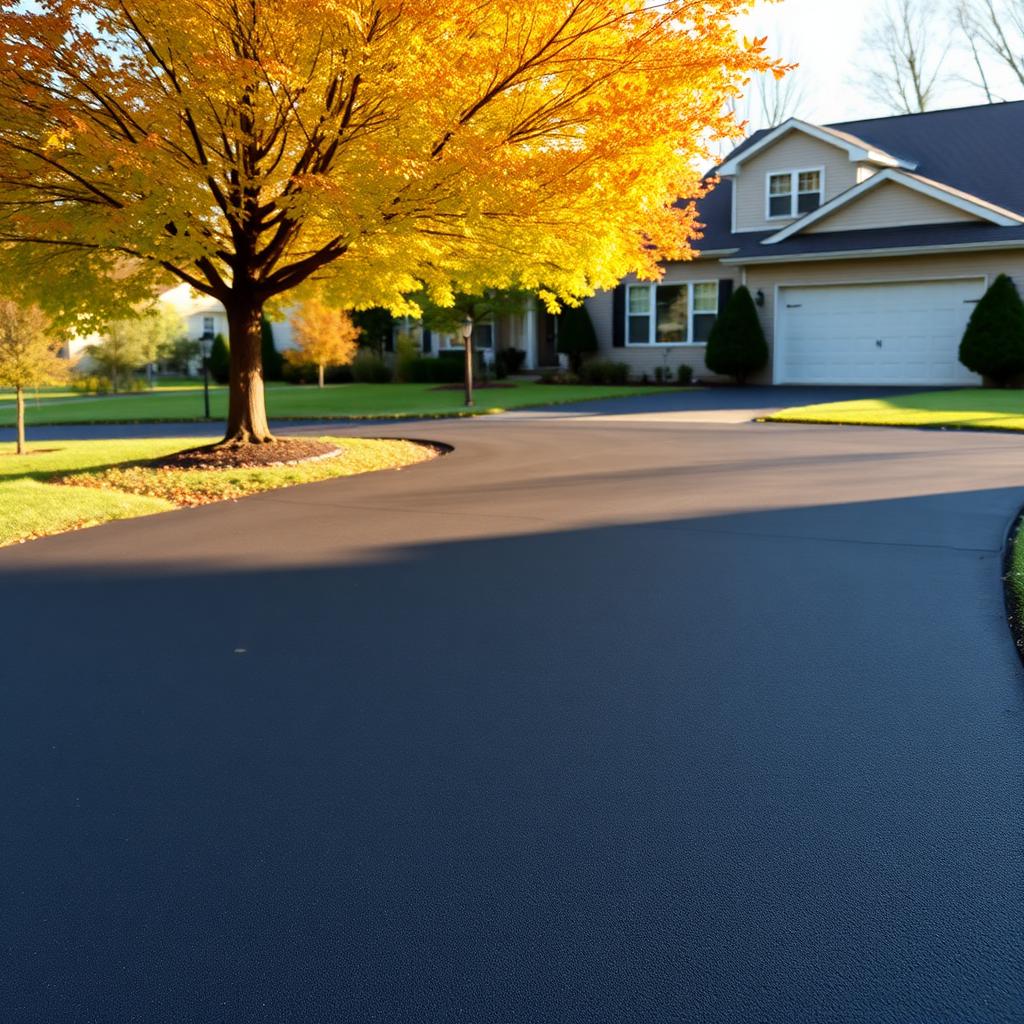
Minnesota is hard on asphalt. Between freeze‑thaw cycles, road salt, summer UV, and the occasional 90°F afternoon followed by a 40°F night, a driveway in Watertown takes more punishment in a single year than the same driveway would in three years almost anywhere else. The homeowners whose driveways still look new at year 15 aren't lucky — they're on a schedule. Here's the month‑by‑month calendar we hand to our own customers.
The short answer
Inspect every spring, hot‑pour crack fill in early summer, sealcoat in mid‑summer through early fall, clear and edge in late fall, and protect from salt and plows in winter. Skip any one of those and the next freeze‑thaw cycle starts undoing the others.
Why a calendar matters in Minnesota
The Twin Cities west metro averages dozens of freeze‑thaw cycles per year. Every cycle drives water deeper into hairline cracks, expands it ~9%, and pries the asphalt apart from the inside. The MnDOT pavement preservation program is built on a simple idea: small, scheduled treatments cost a fraction of a rebuild. The same logic scales down to a residential driveway.
Spring (March – May): inspect and assess
The snow pulls back and you finally see what winter did. This is the most important month of the year for your driveway because everything that follows depends on what you find now.
- Walk the full driveway slowly. Look for new cracks, sunken spots, raveling (loose aggregate), and any pothole that opened over winter.
- Note crack widths. Anything wider than ⅛" is a crack‑fill candidate.
- Check the edges — winter plowing chips and crumbles them first.
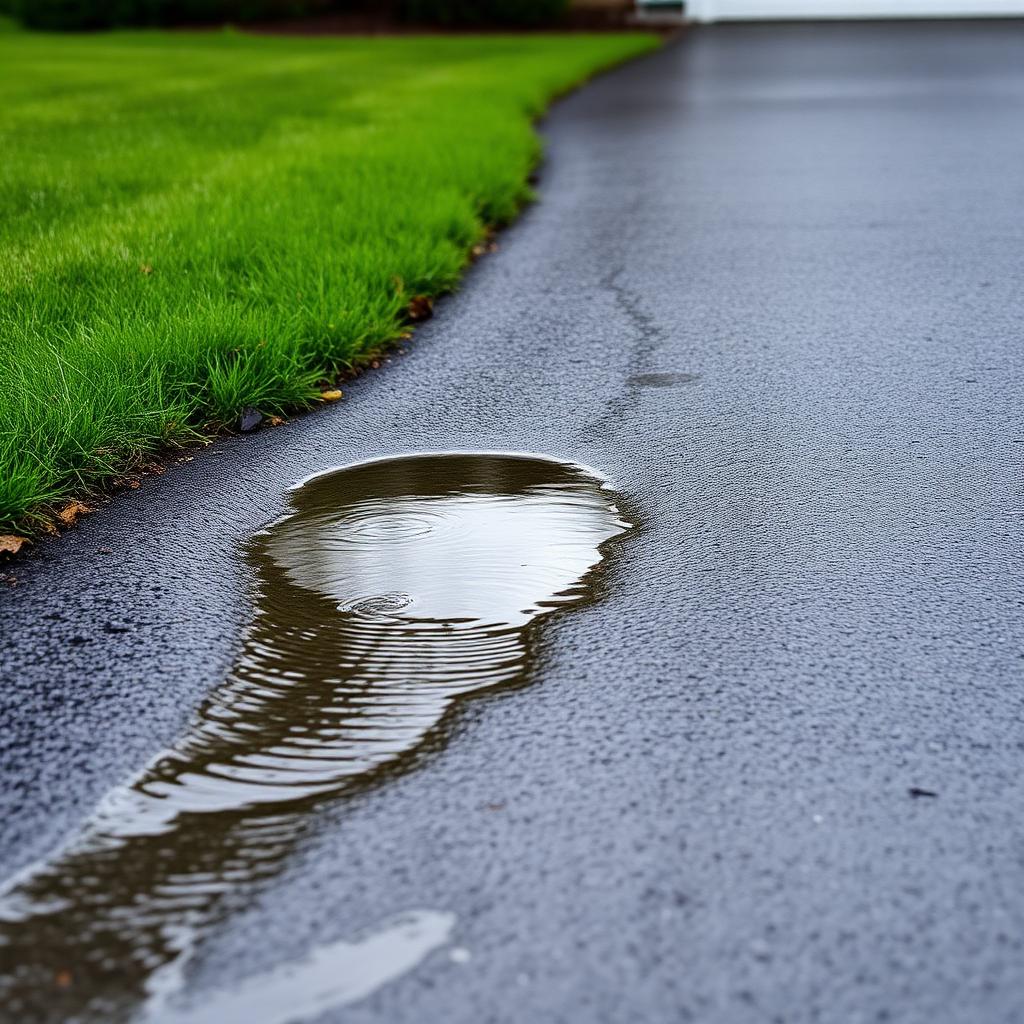
- Watch where water pools after a rain. Pooling = drainage problem, and drainage problems become potholes.
- If you see alligator cracking (interconnected web of cracks), that's a base failure, not a surface issue. Read our guide on crack filling vs. driveway replacement to decide what comes next.
Get on the schedule early. By June the calendar fills up across the west metro.
Early summer (June): crack fill and patch
Pavement temperatures are warm and stable, the surface is dry, and the asphalt is flexible enough to take a hot‑pour rubberized crack fill. The sequence:
- Patch any potholes first — see our post on asphalt patching and pothole repair for what actually lasts.
- Rout or wire‑brush cracks clean. Dirt and debris kill the bond.
- Hot‑pour rubberized crack sealant fills and bonds to both sides.
- Allow 30 days cure on any new patches before sealing over them.
Mid‑summer through early fall (July – September): sealcoat
This is the sealcoating window in Minnesota. You need three things in the same 24‑hour stretch: pavement temperature above 50°F, no rain forecast for 24 hours, and ideally low humidity. July and August usually deliver; September can work if the forecast cooperates.
- Sealcoat residential driveways on a 2–3 year cycle. Commercial lots typically need it every 2 years because of traffic counts.
- Two thin coats outlast one heavy coat.
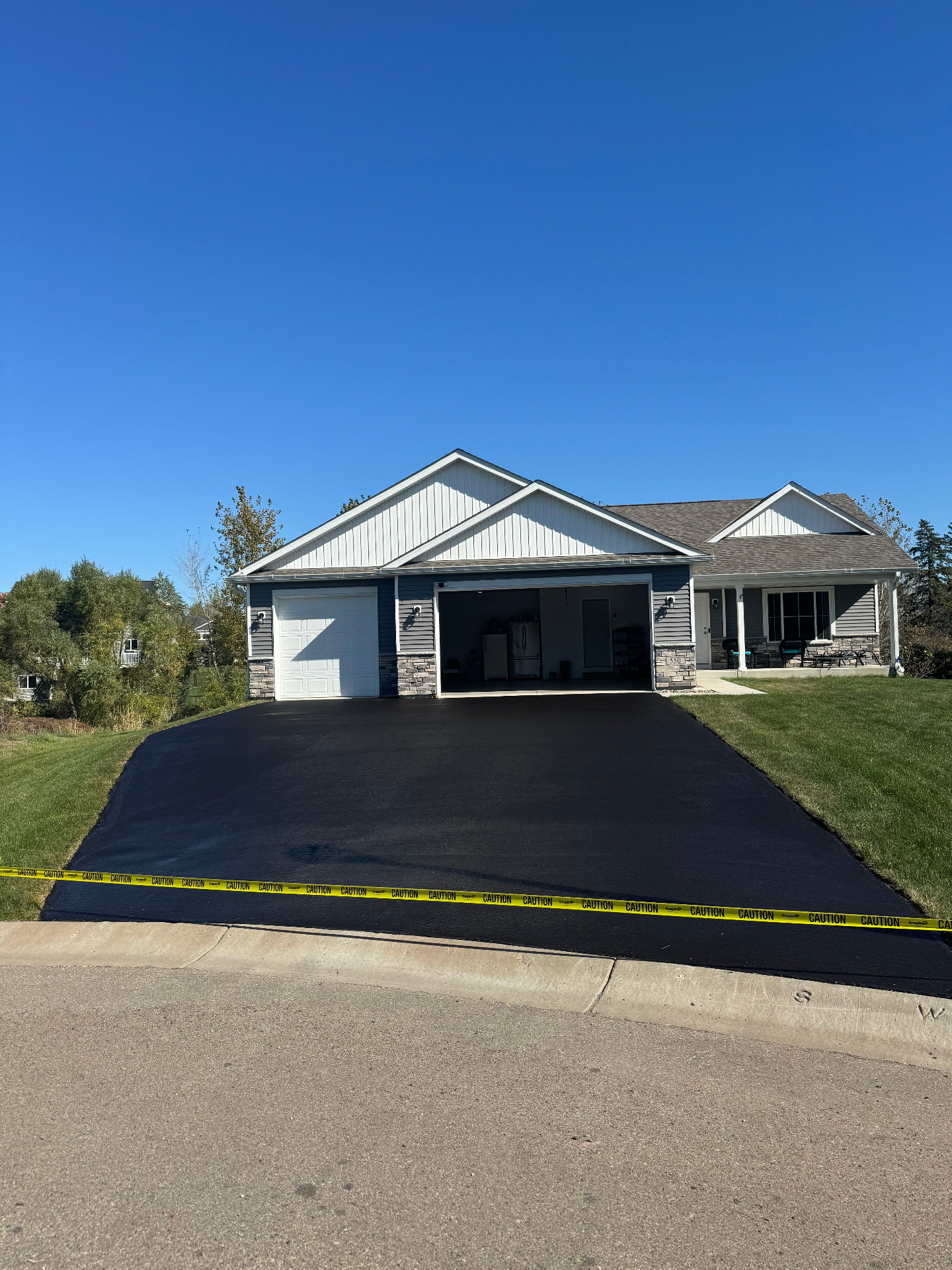
- Stay off the surface for 24 hours, no vehicles for 48.
For how to time your specific driveway, see our guides on how often to sealcoat a Minnesota driveway and how long sealcoating actually lasts.
Late fall (October – November): clear, edge, and prep
The last 30 days before the first hard freeze are your prep window.
- Blow leaves and debris off — leaves trap moisture against the asphalt.
- Trim grass and any sod creeping over the edges. Vegetation along the edge holds moisture and accelerates edge raveling.
- Mark the edges of the driveway with reflective stakes if a plow service will be working it. This is the single biggest favor you can do for your driveway over winter.
- Confirm drainage is still flowing away from the surface before the ground freezes.
Winter (December – February): protect
Nothing structural happens to asphalt in winter — your job is just to keep damage out.
- Use sand or a sealer‑safe ice melt, not rock salt. Rock salt accelerates freeze‑thaw damage by lowering the freeze point and forcing more cycles. Calcium chloride is more pavement‑friendly when used sparingly.
- Lift the plow blade slightly if you plow yourself. A blade dragging on the surface peels sealcoat and chips edges.
- Skip the metal shovel. A poly‑edge shovel does the same job without scraping.
- Don't pile snow on one corner all winter. A snow pile that sits for 90 days saturates the asphalt under it.
Year‑one driveways are different
A brand‑new asphalt driveway has its own first‑year rules: longer cure time, no first sealcoat until at least the next season, extra care with point loads (jack stands, motorcycle kickstands, ladder feet). See our full first‑year new asphalt driveway care guide for the timing, precautions, and what the first professional sealcoat visit should include. If puddles are the problem, our Minnesota driveway drainage guide covers what to fix first.
Signs you're past DIY and need a pro
- Cracks wider than ½" or running deep enough to see base material.
- Any alligator cracking — that's structural, not cosmetic.
- Sunken or sinking areas, especially near the garage apron.
- Edges crumbling more than 2–3" in from the side.
- You've sealed twice and the surface still looks gray within a year — sealant adhesion has failed.
If any of those describe your driveway, get an honest assessment before you spend on cosmetic fixes that won't hold.
FAQs
What's the best month to sealcoat in Minnesota?
Mid‑July through mid‑September is the sweet spot — warm enough for a proper cure, dry enough to schedule reliably, and far enough from first frost. Early June can work but humidity is higher; October is possible but the cure window shrinks fast.
Should I crack‑fill before sealing, or just seal over them?
Always crack‑fill first. Sealcoat is a thin protective layer, not a structural filler — it sags into cracks within a few months and the crack reappears. Hot‑pour rubberized fill bonds to both sides and flexes with freeze‑thaw movement.
Is winter road salt actually damaging my driveway?
Yes. Rock salt itself doesn't dissolve asphalt, but by lowering the freeze point of water on the surface it forces more freeze‑thaw cycles per winter — and freeze‑thaw is what actually breaks asphalt apart. Sand for traction and a pavement‑safe ice melt are better choices.
How do I know if it's too late in the season to sealcoat?
If overnight lows are running below 50°F and daytime highs aren't reliably hitting 60°F, the sealant won't cure properly and you'll see tracking, peeling, or a chalky finish next spring. In Minnesota, the conservative cutoff is around the end of September.
What if I miss a year?
One missed cycle isn't a crisis — but two or three in a row lets oxidation, raveling, and crack growth get ahead of you. The fastest way to catch up is a spring inspection, full crack fill, and two coats of sealant in the same season.
Put Prater on the calendar
Prater Companies is locally owned and based in Watertown, MN, serving Mayer, Waconia, Delano, Howard Lake, and the surrounding west metro. We'll walk your driveway, tell you exactly where you are in the maintenance cycle, and put a written plan together — no upsell. Call 763‑234‑7341 or request a free on‑site assessment. Already know what you need? Check current Prater Companies promotions before scheduling.