How Long Does Seal Coating Last on a Minnesota Driveway?
Quick answer: on a typical Minnesota driveway, a professional two‑coat seal application looks new for about 1–2 years and continues to protect the asphalt for roughly 2–3 years before it's ready for a fresh coat. Heavily plowed, salted, or sun‑baked driveways are at the short end of that range.
"How long does seal coating actually last?" is one of the most common questions we get on driveways in Watertown, Mayer, Waconia, and across the west metro. The honest answer depends less on the sealer itself and more on what your driveway has to put up with between coats. Here's what really shortens — and extends — that lifespan.
What "wearing out" actually looks like
A sealcoat doesn't fail overnight; it fades in stages. Knowing the stages helps you time the next coat without guessing:
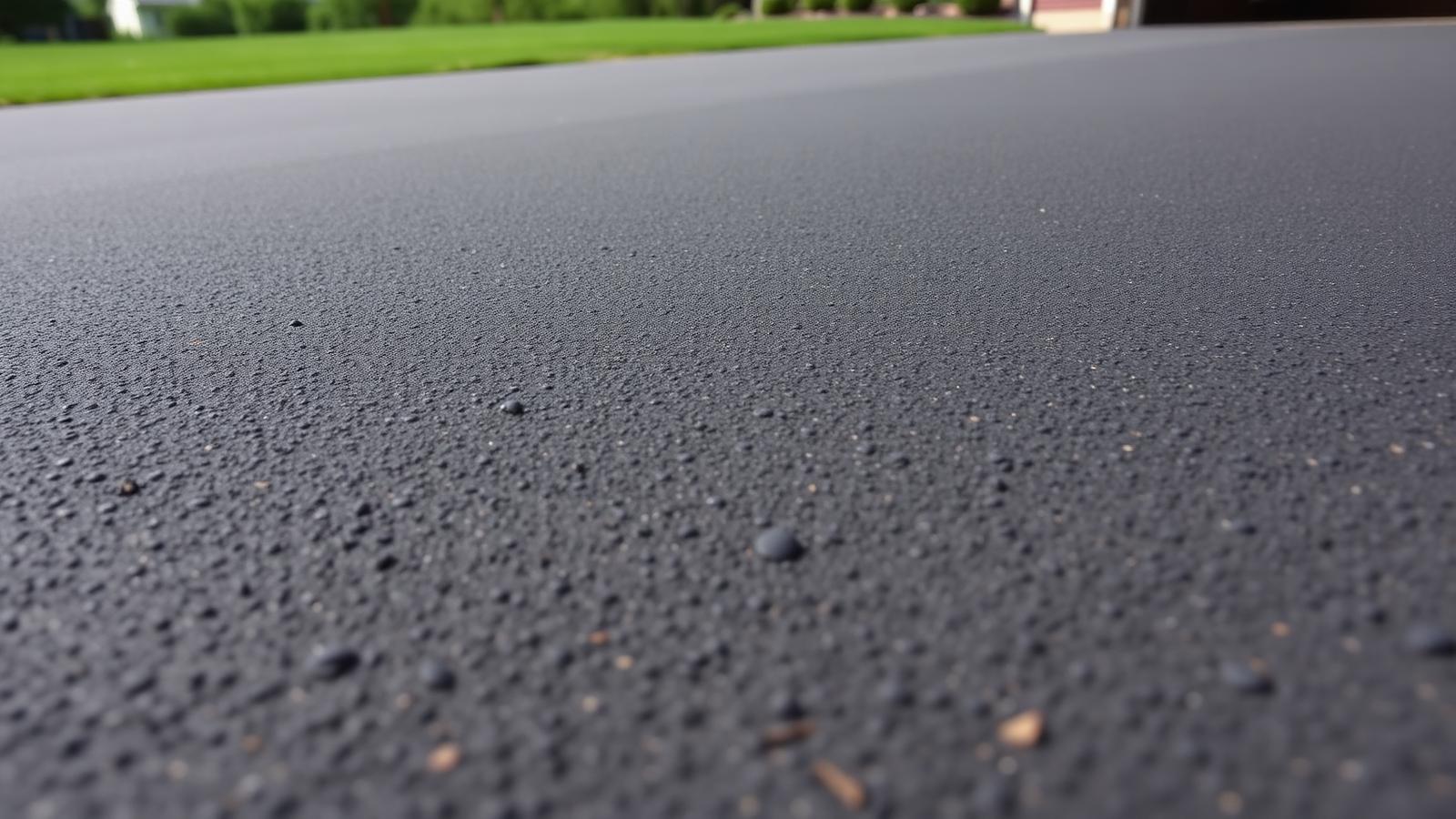
- Months 0–12: deep black, soft sheen, water beads on the surface. Full protection.
- Year 1–2: color shifts to dark charcoal, sheen fades. Still protecting — just not as showroom‑pretty.
- Year 2–3: gray patches in high‑traffic areas (tire paths, by the garage apron). Water no longer beads. This is usually the right window to reseal.
- Year 3+: the original asphalt aggregate starts showing through — that "raveling" texture. Past this point you're letting UV and water hit the asphalt directly.
6 things that shorten a sealcoat's life in Minnesota
1. Freeze‑thaw cycles
The Twin Cities sees 150+ freeze‑thaw cycles a year. Each one expands and contracts the asphalt under the sealer, which is the biggest single factor behind early wear.
2. Road salt and de‑icer
Salt tracked from the road, plus any rock salt or chemical de‑icer used on the driveway itself, eats at the binder. If you use de‑icer regularly, expect to reseal closer to year 2 than year 3.
3. Snow plows and shovels
Metal plow edges and steel snow shovels physically scrape sealer off. Plastic‑edged shovels and rubber‑edged plows are much kinder.
4. UV exposure
Driveways with no tree cover get more sun and dry out faster. South‑ and west‑facing slopes wear visibly quicker than shaded ones.
5. Oil, gas, and transmission drips
Petroleum products dissolve asphalt sealer. A persistent drip spot will burn through sealer in a single season — clean drips fast and consider a drip pan under older vehicles.
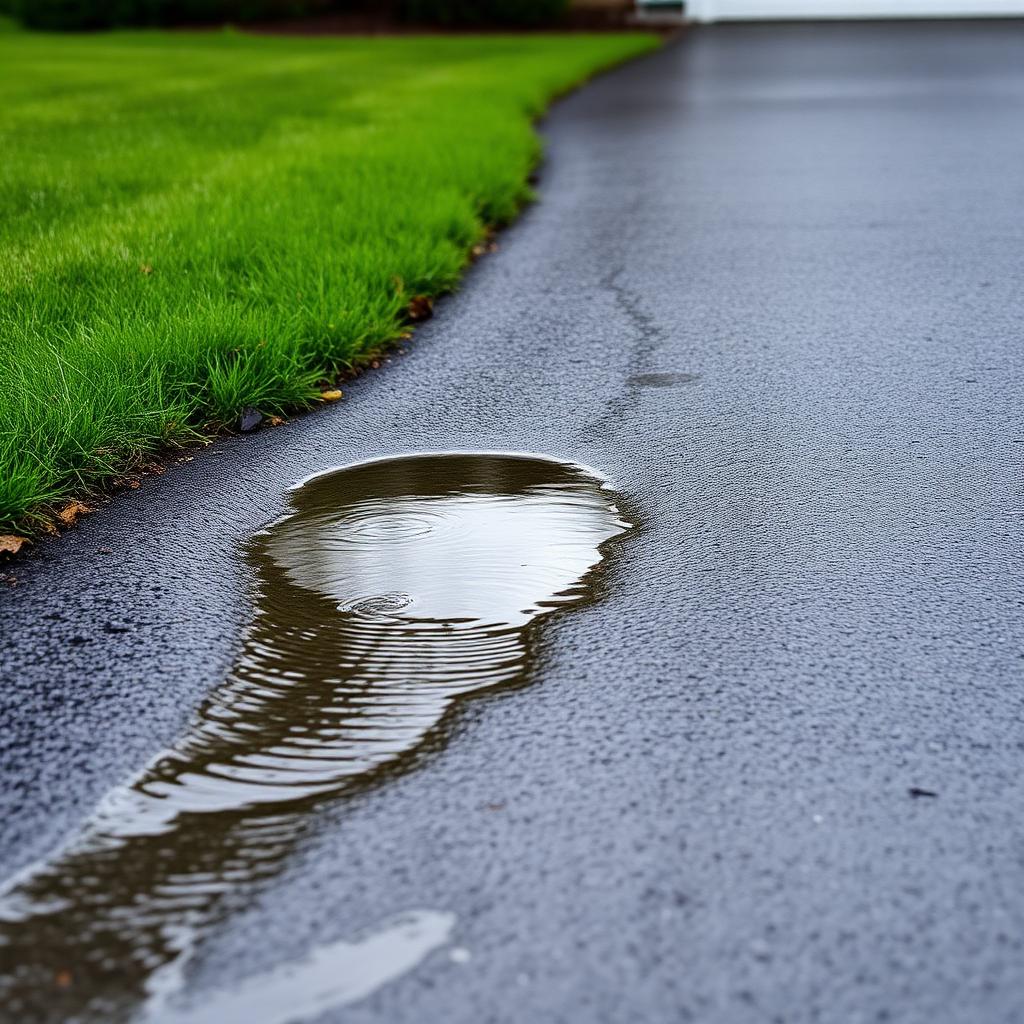
6. Standing water
Low spots that hold water for hours after rain will lose sealer first. If your driveway pools, fixing the grade matters more than sealing more often.
Why Minnesota freeze‑thaw is the #1 killer
Sealer's main job isn't cosmetic — it's keeping water out of the asphalt. Every fall and spring, water that gets into hairline cracks freezes overnight, expands ~9%, and pries the cracks wider. That's the cycle that turns small cracks into alligatored sections and eventually into potholes. A sound sealcoat plus annual crack filling breaks that cycle. (Federal Highway Administration's pavement preservation guidance treats sealing and crack filling as the cornerstone of asphalt longevity for exactly this reason.)
How to make a seal coat last as long as possible
- Crack fill every spring. Hot‑pour rubberized sealant in any crack ⅛" or wider, before the next round of freeze‑thaw.
- Clean oil and gas spots quickly. A bag of kitty litter and dish soap handles fresh drips.
- Swap to a poly or plastic‑edge shovel. Same goes for plow blades if you contract snow removal.
- Use sand, not salt, when you can. Sand adds traction without chemically attacking the surface.
- Keep water moving. Make sure downspouts don't dump directly onto the driveway.
- Stick to the cycle. Reseal in the right window — not after the asphalt is already showing through.
For the full timing breakdown, see how often to seal coat a driveway in Minnesota.
Signs it's time for a fresh coat
- The surface looks gray instead of dark charcoal.
- Water absorbs in instead of beading.
- You can see the original aggregate (small stones) in tire paths.
- Hairline cracks are starting to appear or widen.
- The last coat went on 2–3 winters ago.
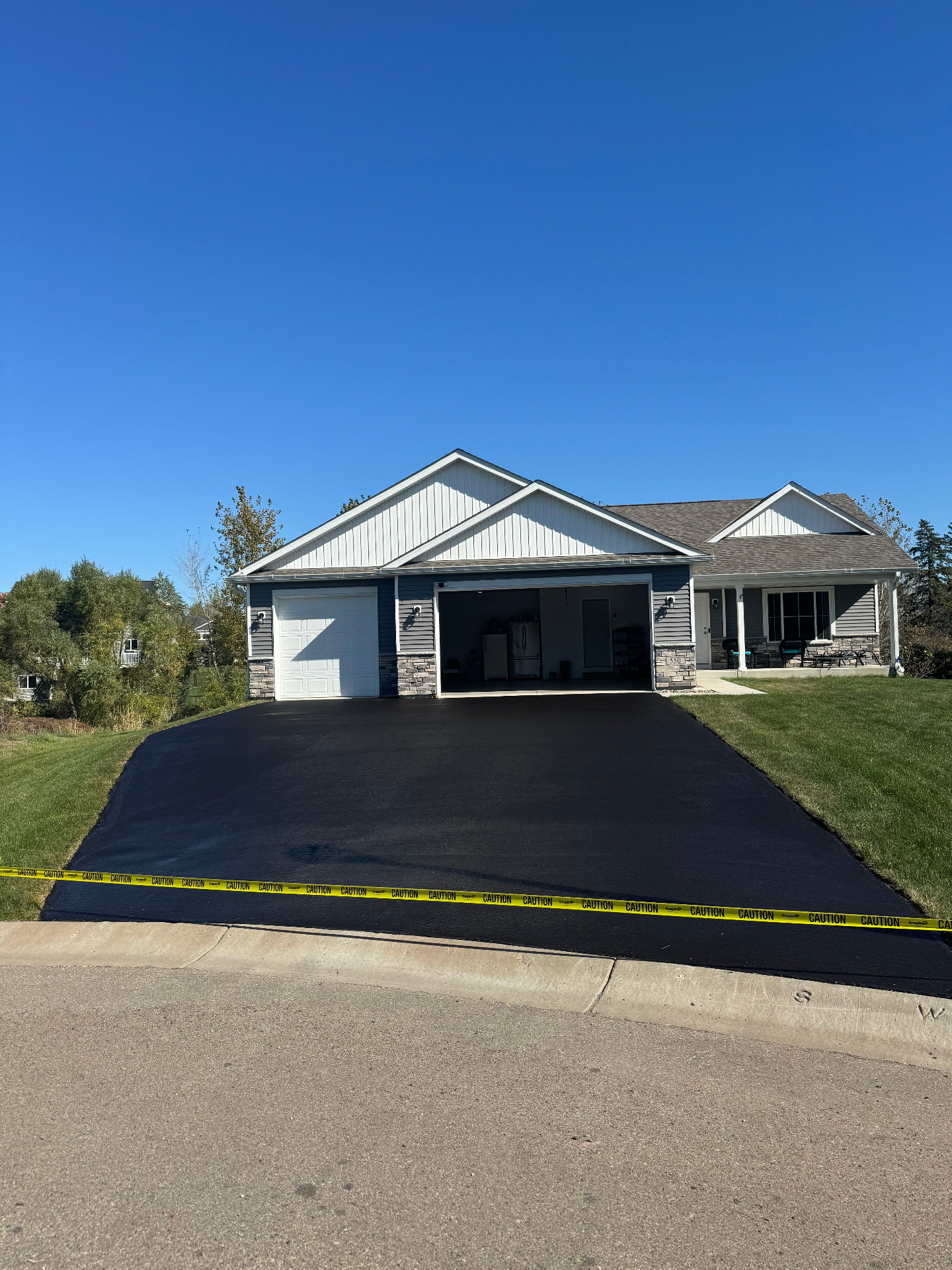
If two or more of those are true, schedule a sealcoat for the next dry stretch above 50°F. You can also see what fresh, properly maintained driveways look like in our project gallery.
FAQs
Does sealcoat last longer on a new driveway?
Usually yes. A driveway sealed at year 2 (after curing) and maintained on schedule will hold sealer noticeably better than one that was first sealed at year 8 with cracks already in it.
Do snow plows wear sealcoat out faster?
Yes. Metal plow edges scrape sealer off — especially on edges and raised seams. A rubber‑edged plow or a careful operator extends the life of every coat.
Does road salt damage sealcoat?
Yes, indirectly. Salt accelerates freeze‑thaw cycling and attacks the asphalt binder. The sealer slows the damage, but heavy salt use will shorten how long each coat lasts.
How can I tell when sealcoat is worn out?
The clearest test: spray the driveway with a hose. If water beads and runs off, the sealer is still working. If it soaks in and darkens the surface, it's time.
Does a thicker coat last longer?
Two thin coats outperform one thick coat. Thick applications crack and peel; thin, well‑bonded coats flex with the asphalt. That's why our standard residential sealcoat is two coats with proper cure time between them.
Not sure where your driveway is in the cycle?
We'll walk it with you and tell you straight — reseal this year, wait one, or address something else first. Prater Companies is based in Watertown, MN and serves the surrounding west metro. Call 763‑234‑7341 or request a free quote. Current homeowners can also check our seasonal promotions or read our Minnesota driveway drainage guide and first‑year new asphalt care before scheduling.